
The concept of nude has existed throughout human history, carrying meanings that extend far beyond simple physical exposure. In art, culture, photography, wellness, and even fashion, the idea of being often represents authenticity, vulnerability, and natural beauty. From ancient sculptures carved in marble to contemporary body-positive photography, the presence of the form has consistently sparked conversation about identity, freedom, and self-expression.
In modern digital culture, the term nude also appears frequently in online searches, social media discussions, and creative industries. People may look for information about art, ethical photography, body positivity, or the social norms surrounding nudity in different regions of the world. Understanding the historical, artistic, and social significance of imagery helps readers approach the topic with knowledge and confidence.
This guide explores the meaning of nude across multiple dimensions, including art history, photography, cultural values, legal considerations, and personal empowerment. By the end, readers will gain a balanced and informative perspective that reflects both tradition and modern thinking.
The Historical Significance of Nude in Art and Civilization
The presence of the human form in art dates back thousands of years. Ancient civilizations used nude figures to represent strength, beauty, and divine power. In ancient Greece, sculptors created statues that celebrated the human body as a symbol of perfection and harmony. These works were not intended to shock audiences but to honor physical form and human potential.
During the Renaissance period, artists revived the tradition of classical art. Painters and sculptors studied anatomy carefully to create realistic and expressive works. Famous masterpieces displayed the body as a reflection of spiritual and intellectual ideals rather than mere physical appearance. This era established a foundation that continues to influence modern artistic practices.
In many cultures, the nude form also appeared in religious and mythological storytelling. Artists used the figure to represent innocence, rebirth, and transformation. Over time, the meaning of imagery evolved, but its importance as a creative and cultural symbol remained strong.
Nude Photography: From Fine Art to Modern Expression
Photography introduced a new way to capture the nude human form. Early photographers approached subjects with the same respect and artistic intention found in classical painting and sculpture. Their goal was to explore light, shadow, and composition while presenting the body in a tasteful and meaningful manner.
In contemporary photography, the use of imagery has expanded into many styles. Some photographers focus on artistic storytelling, while others emphasize body positivity and self-confidence. A well-planned nude photo session often involves careful attention to lighting, angles, and mood to create a respectful and professional result.
Modern technology has also made it easier for individuals to experiment with nude photography at home or in studios. However, responsible creators understand the importance of privacy, consent, and ethical guidelines when producing or sharing nude images. These principles help maintain trust and professionalism in the creative process.
Cultural Perspectives on Nude Around the World
Different societies view the concept of nude in unique ways. In some European countries, public beaches and spas allow people to be as part of a long tradition of natural living. These environments often emphasize comfort, relaxation, and acceptance of the human body without judgment.
In other regions, cultural norms encourage modesty, and public displays of behavior may be restricted or discouraged. These differences reflect historical, religious, and social influences that shape community values. Understanding these perspectives helps travelers and content creators respect local customs while discussing topics responsibly.
Globalization and social media have also influenced how people perceive nude imagery. Younger generations are increasingly exposed to diverse ideas about body image and self-expression. As a result, conversations about representation now include discussions about identity, gender equality, and personal freedom.
The Role of Nude in Body Positivity and Self-Confidence
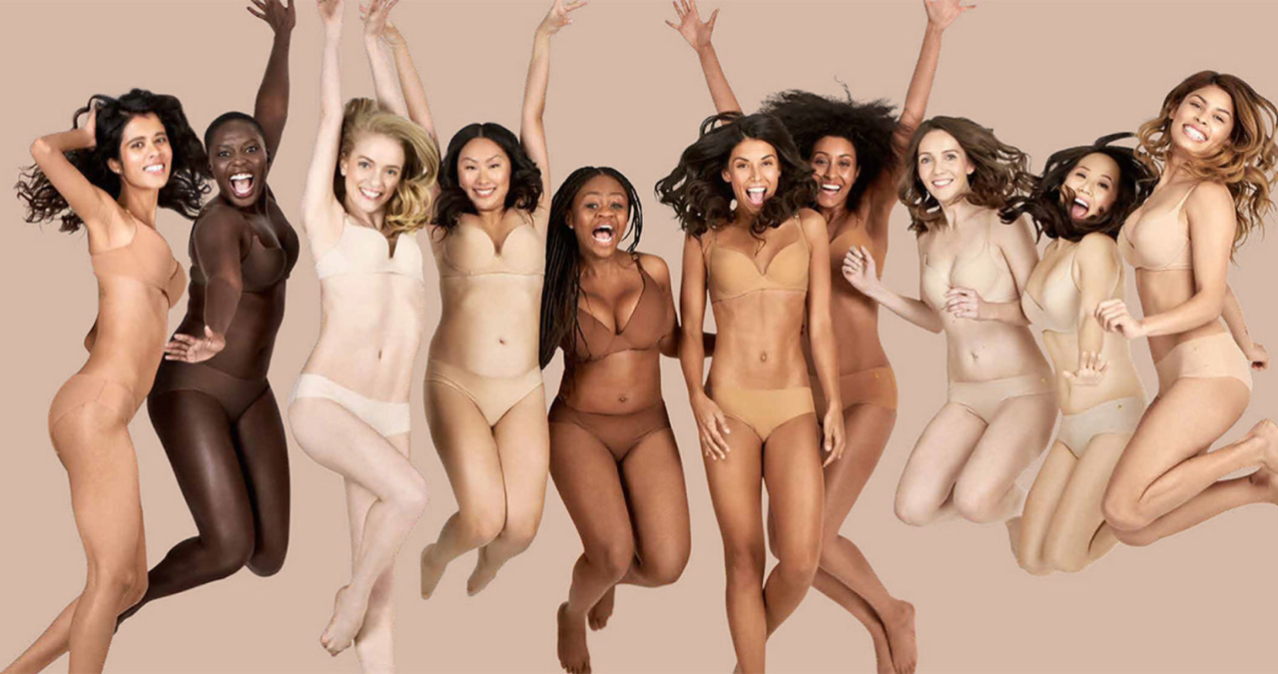
One of the most significant modern movements connected to the nude concept is body positivity. Advocates encourage individuals to accept and appreciate their natural appearance, regardless of shape, size, or age. Participating in a art project or photography session can help people overcome insecurities and build confidence.
Psychologists note that positive experiences with self-expression can improve mental well-being. When individuals see their bodies represented respectfully, they often develop a healthier relationship with themselves. This shift in perspective can lead to increased self-esteem and emotional resilience.
Social media campaigns have also played a role in promoting body acceptance. Influencers and artists share images that celebrate diversity and challenge unrealistic beauty standards. These initiatives encourage viewers to recognize that the nude human body is natural and deserving of respect.
Legal and Ethical Considerations When Sharing Nude Content
In the digital age, the sharing of images requires careful attention to legal and ethical responsibilities. Laws regarding nude photography and distribution vary by country, and individuals must understand local regulations before publishing content. Unauthorized sharing of images can lead to serious legal consequences and emotional harm.
Consent is one of the most important principles in any project. Every person involved must clearly agree to the creation and use of the images. Professional photographers often use written contracts to protect both the subject and the creator.
Online safety is another critical factor. Storing and sharing files securely helps prevent misuse or unauthorized access. Many experts recommend using encrypted storage systems and trusted platforms to maintain privacy.
For reliable legal information, readers can consult official government resources or educational websites such as university law departments and digital safety organizations. These sources provide guidance on responsible handling of nude content in both personal and professional settings.
Nude in Fashion, Wellness, and Lifestyle Trends
The word nude has also become popular in fashion and beauty industries. Designers use the term to describe colors that match natural skin tones. A shade of clothing or makeup often creates a clean and elegant look that complements many styles.
In wellness communities, the idea of being sometimes connects to mindfulness and relaxation practices. Activities such as spa therapy, sauna sessions, or natural bathing experiences encourage individuals to feel comfortable in their own skin. These experiences can promote stress relief and physical well-being.
Lifestyle bloggers frequently discuss the benefits of embracing nude simplicity in daily routines. This approach may involve reducing unnecessary clothing layers, choosing breathable fabrics, or spending time in natural environments. The goal is to reconnect with the body and appreciate its natural state.
Digital Media and the Growing Interest in Nude Topics
Search engines and online platforms have significantly increased public interest in nude-related topics. People often seek educational resources, photography tips, or cultural insights about imagery. Websites that provide accurate and respectful information can build trust and authority with readers.
Content creators who write about subjects should focus on clarity, professionalism, and responsible storytelling. Using credible sources and transparent communication helps establish credibility under Google’s E-E-A-T guidelines. Readers are more likely to engage with content that demonstrates expertise and authenticity.
Internal linking also plays an important role in SEO strategy. For example, a website discussing nude photography might link to related articles about lighting techniques, camera equipment, or digital editing tools. External links to reputable organizations, educational institutions, or art museums can further strengthen content quality and user experience.
How to Approach Nude Topics Responsibly Online
Responsible communication about nude subjects requires sensitivity and awareness. Writers and photographers should consider the audience, cultural context, and potential impact of their work. Clear boundaries and respectful language help maintain a positive environment for discussion.
Education is another key factor. Learning about anatomy, art history, and ethical guidelines allows creators to present content in a thoughtful and professional manner. Workshops and online courses can provide valuable skills for individuals interested in this field.
Transparency also builds trust. When audiences understand the purpose behind a nude project, they are more likely to appreciate its artistic or educational value. Honest storytelling encourages meaningful dialogue and reduces misunderstanding.
Conclusion
The concept of nude is far more complex than a simple visual idea. Throughout history, the human form has served as a symbol of beauty, creativity, and personal expression. From classical sculptures to modern photography and wellness trends, the presence of imagery continues to shape cultural conversations around the world.
Understanding the artistic, cultural, and ethical dimensions of topics allows individuals to engage with them responsibly and confidently. Whether exploring art, practicing photography, or learning about body positivity, knowledge and respect remain essential. As society evolves, the meaning of nude expression will continue to reflect changing values and new forms of creativity.
Frequently Asked Questions About Nude
What does the term nude mean in art and culture?
In art and culture, the term generally refers to the depiction of the human body without clothing in a respectful or artistic context. It often symbolizes natural beauty, vulnerability, and human identity rather than explicit content.
Is nude photography considered art?
Yes, many photographers treat nude photography as a form of fine art. The focus is typically on composition, lighting, emotion, and storytelling rather than sensationalism.
Are there legal rules about sharing nude images online?
Yes, laws vary by country, but consent and privacy are essential. Sharing images without permission can lead to legal consequences and personal harm.
How does nude imagery relate to body positivity?
Nude imagery can help individuals accept their bodies and build confidence. When presented respectfully, it encourages self-acceptance and challenges unrealistic beauty standards.
Can nude themes be used in professional content creation?
Yes, many industries such as art, fashion, and wellness use themes professionally. Success depends on maintaining ethical standards, respecting cultural norms, and communicating clearly with audiences.
You May Also Read
Lesbian Movies: A Complete Guide to the Most Powerful and Inspiring Stories on Screen